Taking a Break
It may seem odd to say that Wordability is going to take a break, having taken what appears to have been a massive vacation since early last year. The fact is, I never officially decided to stop writing posts, it was just that life got in the way.
But now Wordability is definitely going to take a breather.
There’s two reasons really. The first is, it isn’t that much fun any more. When I started 11 years ago, I had this sense that the new words and phrases coming into English weren’t always at the core of everyday life, and while there were serious topics to address, it was also possible to be frivolous about some of the words entering everyday usage.
I haven’t felt that recently. Language has become too weaponised, there are too many headlines about ‘woke’ this or ‘remoaner’ that. Words are being lobbed about like missiles. It’s fascinating to watch, but not necessarily something which I want to be spending my time writing about. At the moment, anyway.
And so to the second reason – I have decided to start a new blog dedicated to creative writing, something which I will enjoy every time I sit down to write. So check out what3stories to find out more.
Wordability will remain online, and serves a purpose I think of flagging up many of the words and issues of the 2010s. For now, it will stay like this.
But my fascination with the English Language remains – and there is every reason to believe that at some point in the future, new posts on Wordability will appear again.
 This shouldn’t really be a surprise – despite the current UK fixation on Brexit and the ongoing election campaign, many are arguing that this focus on domestic issues is distracting from the climate, which should be viewed as the single most important issue facing anybody at the moment. Collins and Oxford have tapped into the way that public events around the climate have really burrowed into public consciousness this year, and have come up with two sides of the same story as a way of summing up the year.

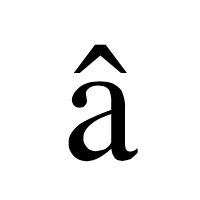 It is never a surprise when a change in the French language causes outcry and controversy. After all, control of the French tongue is heavily proscribed by the Académie Française, an organisation which has defended the purity of the language for many years, fighting in particular against the inclusion of English words in the vocabulary.
 Wordability